The global halal economy is entering one of its strongest growth phases. Once focused primarily on Muslim-majority markets, it has evolved into a multi-trillion-dollar industry influencing food manufacturing, logistics, retail, cosmetics, pharmaceuticals, and consumer goods worldwide.
For importers, distributors, and procurement professionals, understanding the future of halal trade and its leading supply regions is essential for staying competitive in 2026 and beyond.
The Numbers Behind the Halal Trade Boom
The scale of the global halal economy continues to expand:
- The global halal food market is projected to reach $3.26 trillion in 2026.
- The halal ingredients market reached $92.45 billion in 2025 and is forecast to reach $196.84 billion by 2035.
- The halal logistics market is valued at $413.83 billion in 2026 and could reach $572.06 billion by 2030.
- Muslim consumer spending across food, fashion, pharmaceuticals, travel, and media is expected to grow from $2.43 trillion in 2023 to $3.36 trillion by 2028.
These figures reflect a major transformation in global trade, reshaping sourcing strategies, certification requirements, logistics, and international supply chains.
Halal as a Global Quality Standard
Halal-certified products are increasingly gaining acceptance beyond Muslim consumers. Across the United States and Europe, they are now appearing in mainstream retail channels and are often associated with responsible sourcing, cleanliness, ethical production, and supply-chain transparency.
Health-conscious consumers, clean-label advocates, and ethical shoppers are also showing greater interest in halal-certified products.
For international buyers, halal sourcing is therefore no longer limited to regulatory compliance. It has become an opportunity to strengthen brand positioning and reach more diverse consumer markets.
Regions Driving Halal Import Demand
Middle East and GCC
Saudi Arabia, the UAE, Qatar, Kuwait, Bahrain, and Oman remain among the world’s most valuable halal import markets.
Limited domestic food production and strong consumer purchasing power create continuous demand for halal-certified dry fruits, grains, rice, pulses, spices, oils, beverages, and specialty foods.
Europe
Europe is one of the largest importing regions for dry fruits and nuts, with Germany, the Netherlands, France, and the United Kingdom leading demand.
Growing Muslim populations and increasing mainstream acceptance make Europe an important destination for halal-certified products.
North America
The halal food sector in the United States continues to expand through grocery retail, institutional food service, restaurants, and e-commerce.
Distributors and retailers are increasing their halal product ranges to meet growing demand from both Muslim and non-Muslim consumers.
Southeast Asia
Indonesia, Malaysia, and other Southeast Asian markets remain central to global halal trade.
With stricter certification and import requirements being introduced, international suppliers must maintain recognized halal certification, clear documentation, and transparent supply chains.
South and Central Asia: A Major Halal Supply Hub
Afghanistan, Pakistan, India, Iran, and China represent a diverse and underutilized sourcing region for international halal trade.
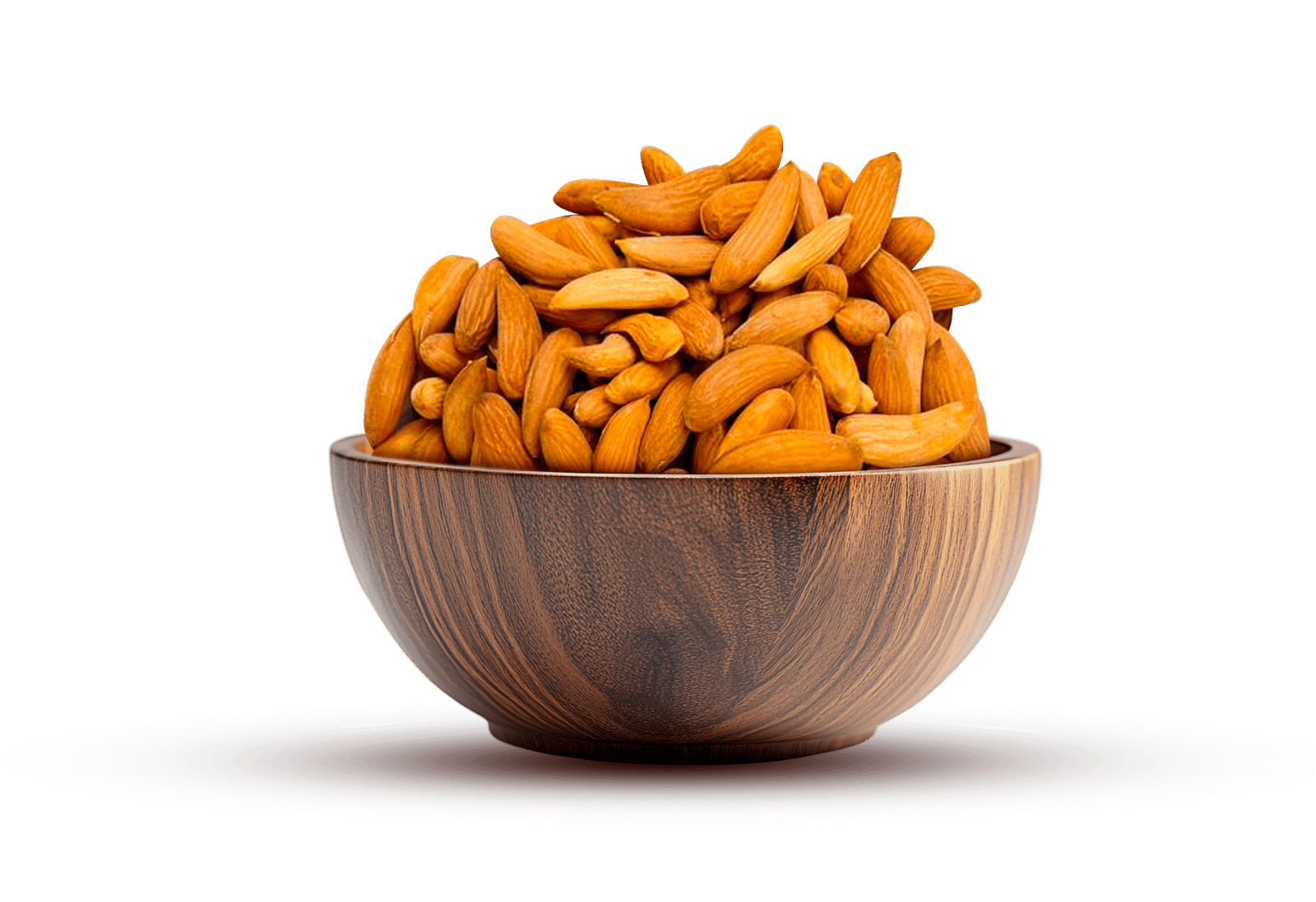
Afghanistan supplies premium raisins, pine nuts, pistachios, almonds, dried figs, and apricots. Pakistan is a major producer of basmati rice, pulses, grains, and spices. India contributes significantly to the global supply of grains, spices, and agricultural commodities.
Iran provides dry fruits, nuts, spices, and other food products, while China offers extensive manufacturing capacity for packaging, consumer goods, construction materials, electronics, and industrial products.
TradEx LLC connects international buyers with trusted farmers, producers, manufacturers, and suppliers across these important sourcing markets.
How Halal Supply Chains Are Evolving
1. Digital Traceability
Digital compliance platforms and blockchain-based tracking systems are making it easier to verify product origins, certifications, processing, and logistics.
Buyers increasingly expect complete and digitally accessible supply-chain documentation.
2. Segregated Storage and Transportation
Import markets are introducing stronger requirements for the separation of halal products during processing, storage, and transportation.
Suppliers with compliant facilities and handling procedures have a clear competitive advantage.
3. Certification Standardization
Halal standards have historically differed across countries. Increasing regulatory coordination across the GCC and Southeast Asia is helping simplify trade while creating stronger compliance requirements for exporters.
For B2B buyers, this makes it essential to work with suppliers that provide transparent sourcing, recognized certification, and dependable documentation.
TradEx LLC: Built for Global B2B Trade
TradEx LLC is an international B2B trading company established to connect global buyers with reliable sourcing partners across multiple regions and product categories.
Its sourcing network spans Afghanistan, Pakistan, India, Iran, and China, supported by a strong on-ground presence in the United States.
TradEx offers access to a broad portfolio of products, including:
Food and Agricultural Commodities
- Dry fruits and nuts
- Rice, grains and pulses
- Spices and culinary herbs
- Cooking oils
- Beverages
- Specialty halal foods
Consumer and Industrial Goods
- Home appliances
- Electronics
- Construction supplies
- Fashion and beauty products
- Packaging materials
- General consumer goods
Applicable food products are sourced and handled in accordance with halal requirements, supported by clear commercial processes, regulatory compliance, and responsible supply-chain management.
By consolidating different sourcing requirements through one trade partner, TradEx helps international buyers reduce procurement complexity, improve communication, and build reliable long-term supply relationships.
Take the Next Step in Your Sourcing Strategy
The global halal economy offers major opportunities for importers, distributors, manufacturers, and retailers.
Businesses that establish reliable sourcing partnerships today will be better positioned to benefit from growing demand, expanding consumer markets, and evolving international trade standards.
Contact TradEx LLC to discuss your sourcing requirements, request product specifications, and receive a B2B trade quotation.
📍 3237 Monier Circle, Suite #2, Rancho Cordova, CA 95742
📧 info@tradex-llc.com
📞 +1 (415) 917-0019