The global halal food market is no longer a niche industry. Muslim consumer spending across major halal economy sectors is projected to grow from $2.43 trillion in 2023 to $3.36 trillion by 2028, while the halal ingredients market is expected to reach $196.84 billion by 2035.
For food manufacturers, distributors, retailers, and importers worldwide, reliable halal sourcing has become an essential part of their procurement strategy.
What Makes a Product Truly Halal?
Halal compliance in B2B food trade goes beyond the final product. For agricultural commodities, dry fruits, grains, spices, oils, and processed foods, it applies throughout the supply chain.
Sourcing and Farming
Products must be sourced responsibly and protected from contamination with prohibited substances.
Processing and Handling
Production equipment, storage facilities, and packaging processes must follow applicable halal requirements.
Certification and Documentation
Shipments must include valid halal certificates issued by certification bodies recognized in the destination market.
Transportation and Logistics
Storage, cold-chain operations, and dry-cargo handling must maintain product integrity throughout transit.
Failure to meet these requirements can result in shipment rejection, regulatory penalties, loss of market access, and damage to buyer relationships.
High-Demand Halal Product Categories
1. Dry Fruits and Nuts
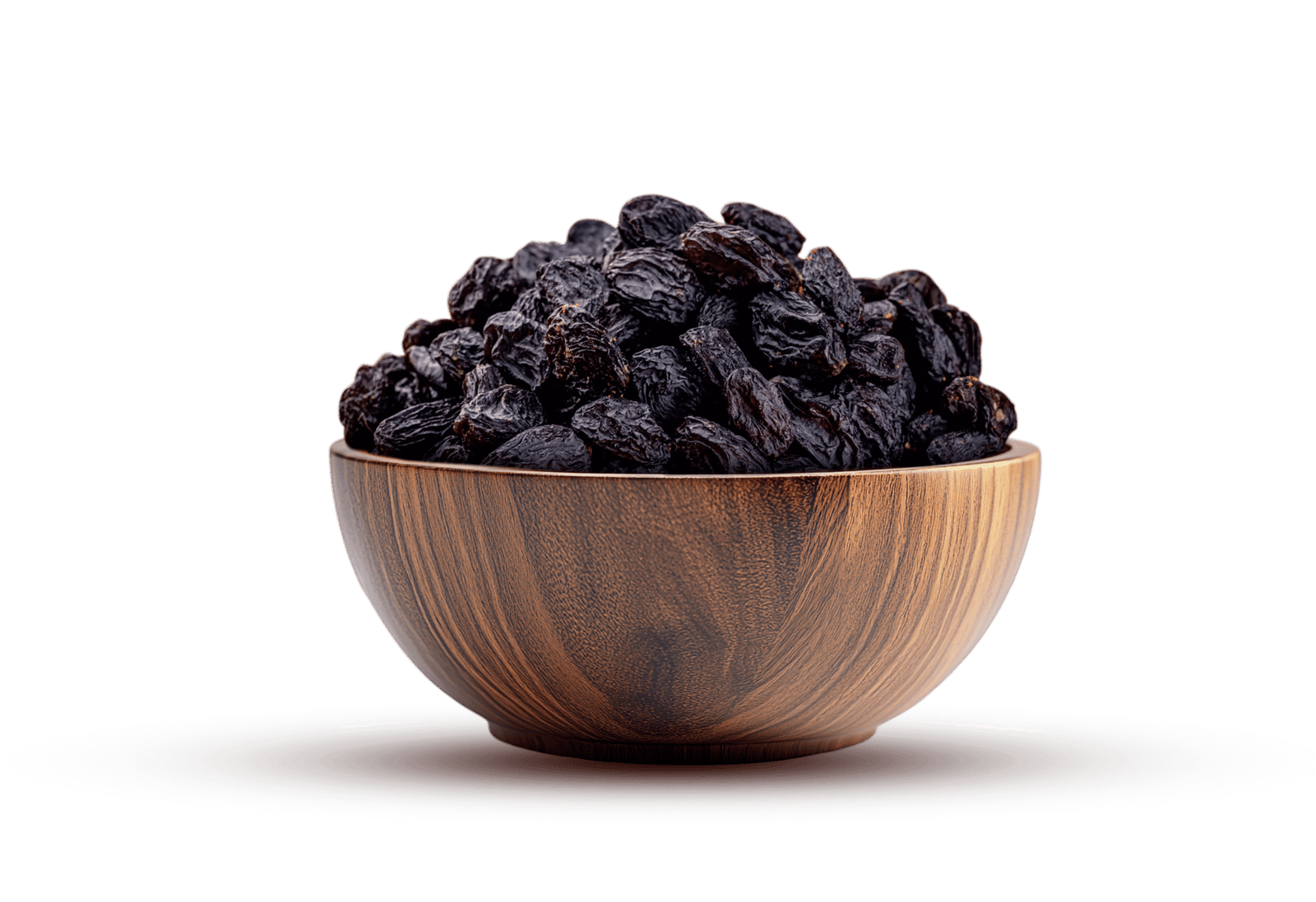
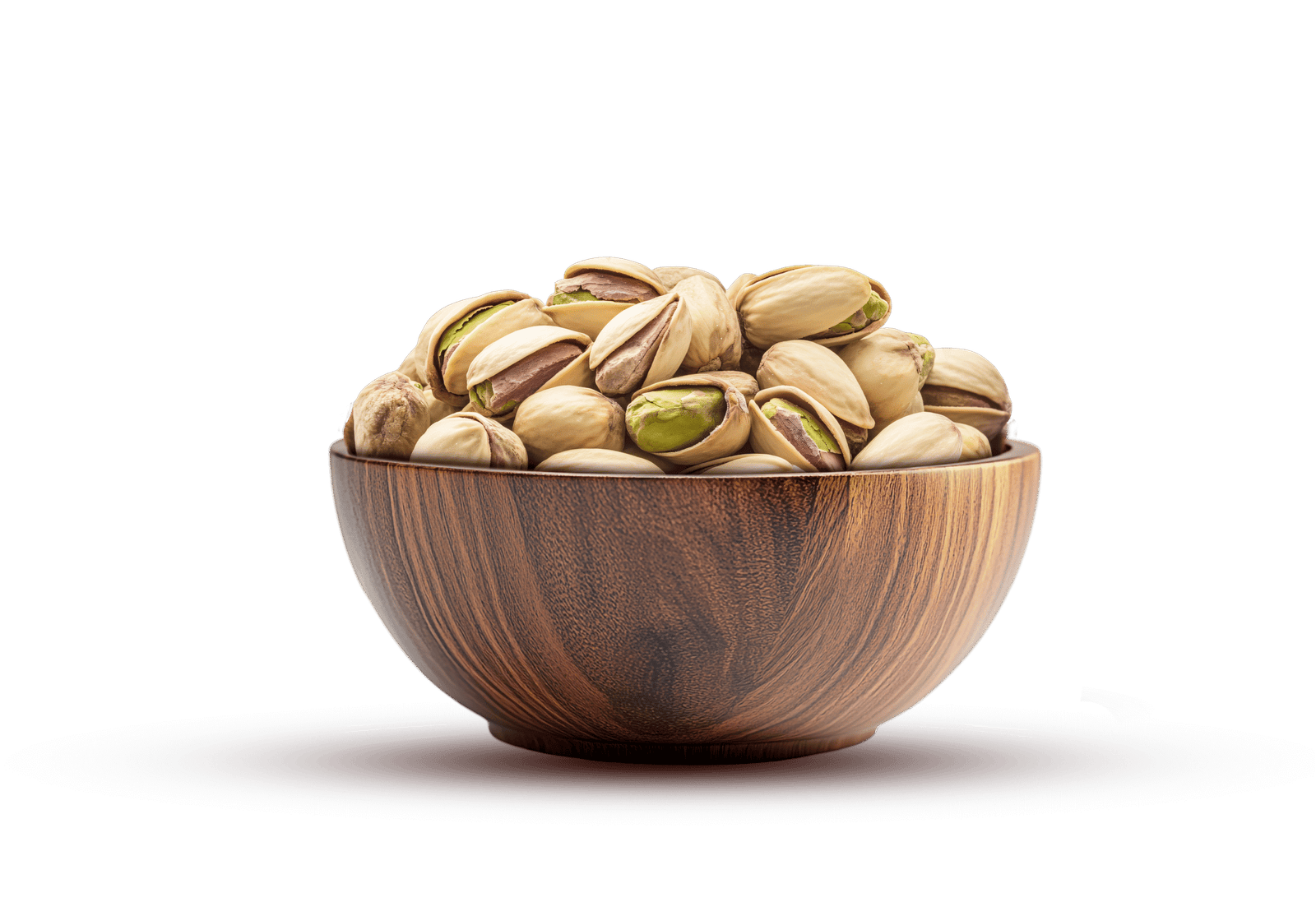
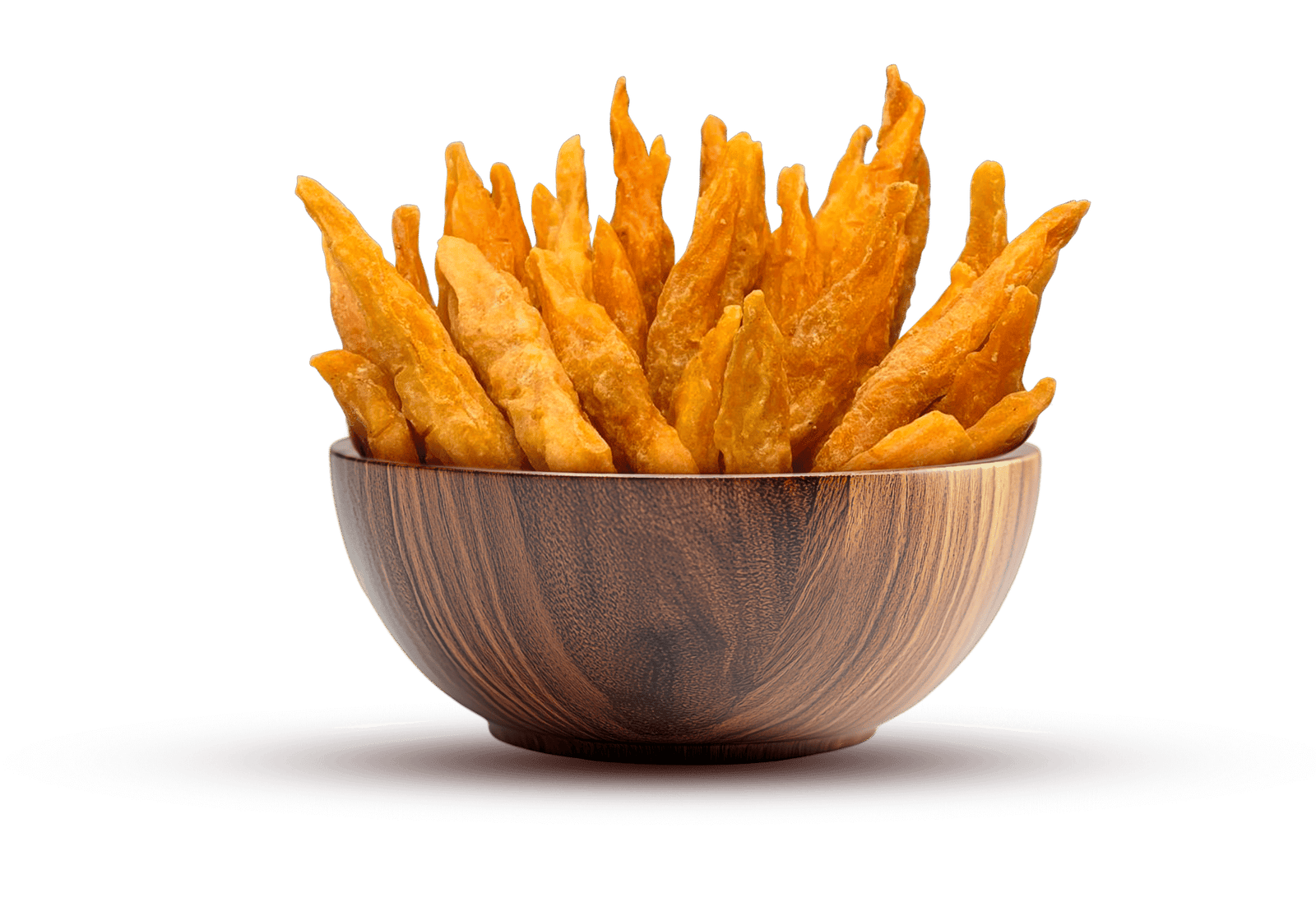
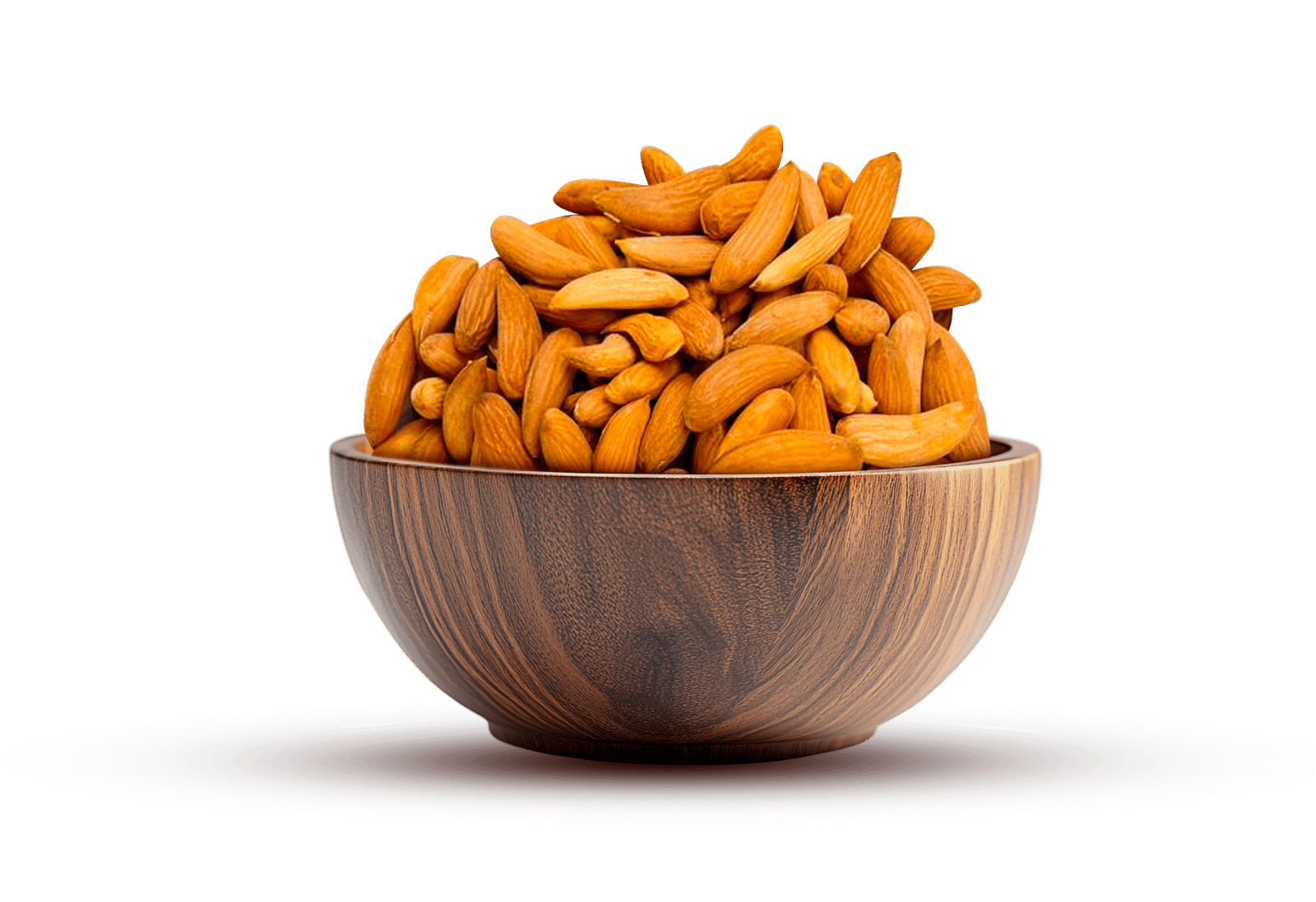
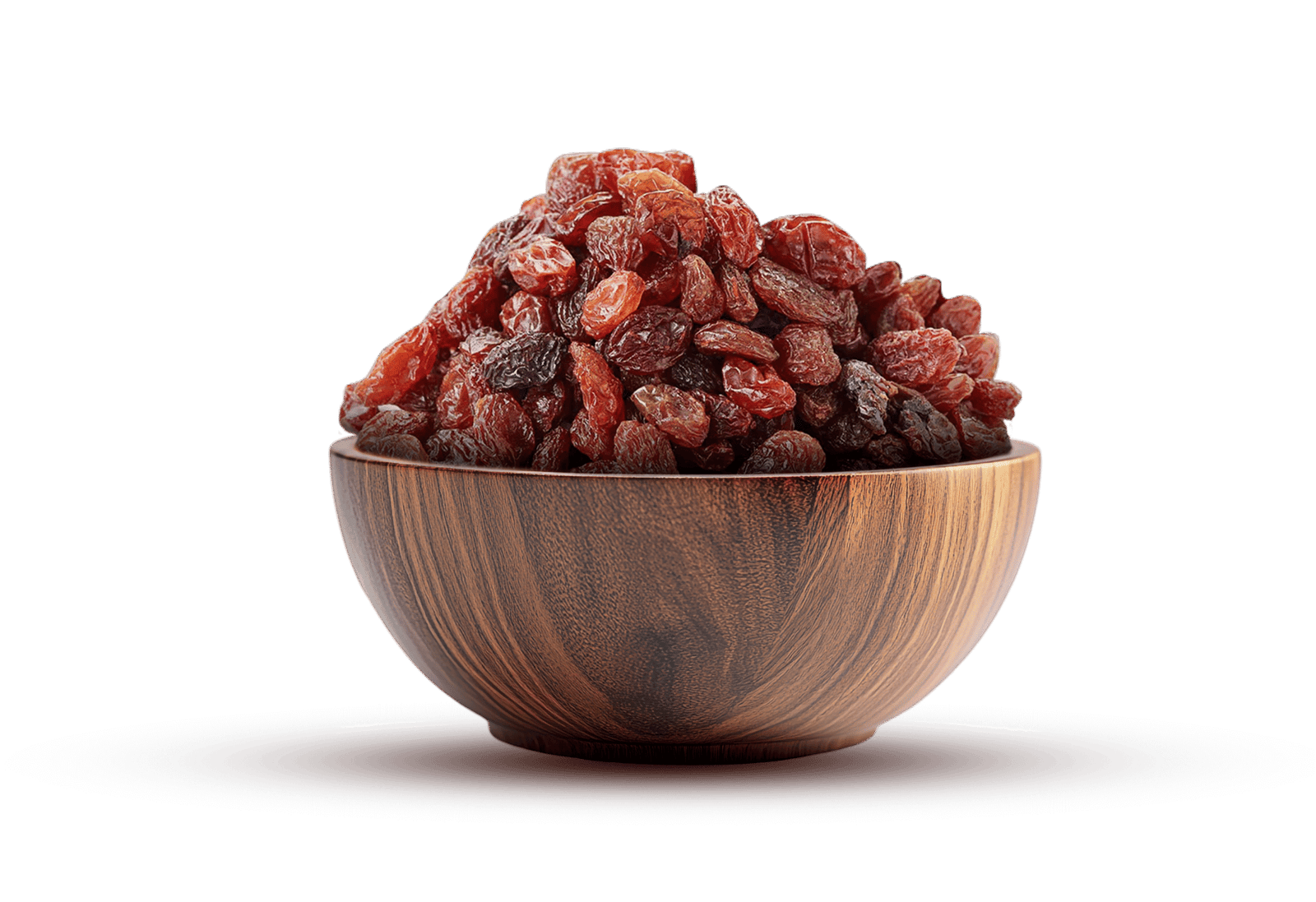
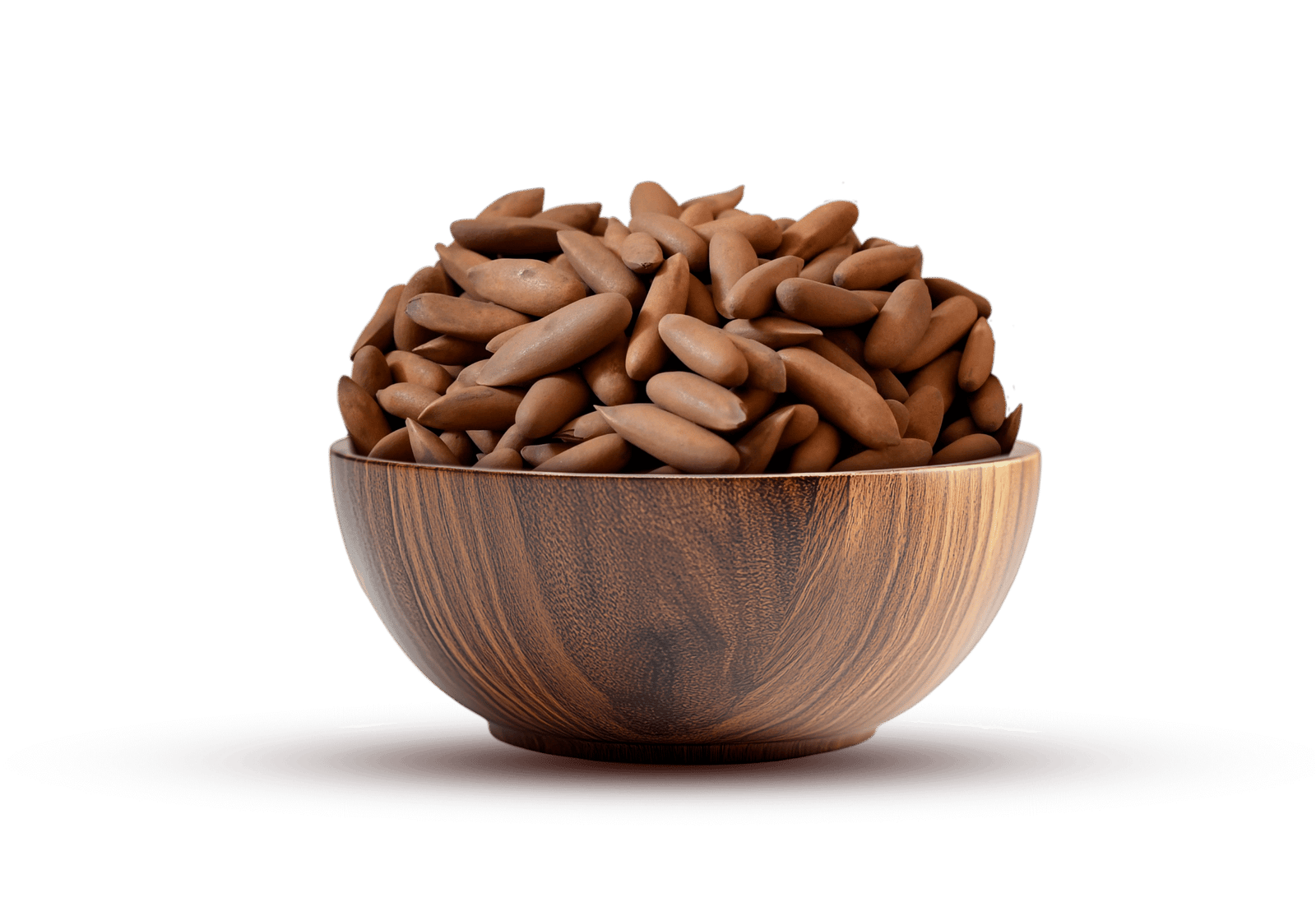
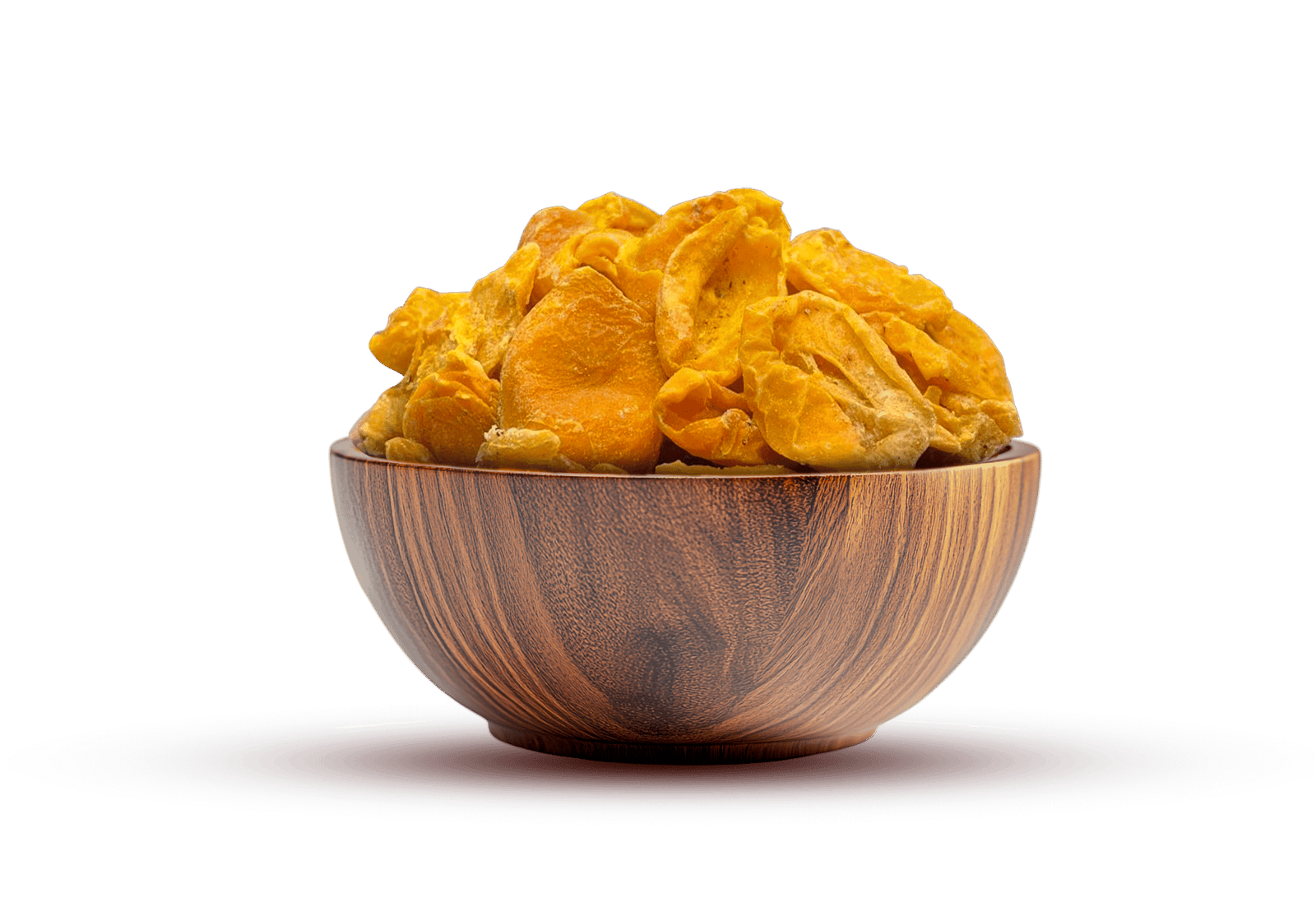
Afghanistan, Iran, Turkey, and other regional markets supply premium raisins, pistachios, almonds, pine nuts, figs, and apricots. These products are widely used in snacks, bakeries, cereals, confectionery, and food manufacturing.
2. Grains, Rice and Pulses
Basmati rice, lentils, chickpeas, beans, and other staple commodities maintain consistent global demand. Pakistan, India, and Afghanistan are important sourcing markets for these products.
3. Spices and Culinary Herbs
Cumin, coriander, turmeric, fenugreek, black pepper, and other spices are essential ingredients for food manufacturers, restaurants, retailers, and hospitality businesses.
4. Oils and Edible Fats
Halal-certified vegetable oils, olive oils, and edible fats are important commodities for food manufacturers and distributors across Muslim-majority markets.
5. Specialty Halal Foods
Ready-to-eat meals, packaged foods, halal meat products, beverages, and other value-added products are experiencing strong global growth.
How to Evaluate a Halal B2B Supplier
Choosing the right supplier is essential for protecting product quality, regulatory compliance, and business continuity.
Verify Halal Certification
Request current halal certificates and confirm that the certification authority is recognized in your target market.
Review Supply-Chain Transparency
A reliable supplier should provide clear information about product origin, processing methods, storage, packaging, and transportation.
Check Trade Experience
Select suppliers with relevant international trade experience and an understanding of customs procedures, documentation, and shipping requirements.
Evaluate Product Range
Suppliers offering multiple product categories can help buyers consolidate shipments and reduce the complexity of working with several vendors.
Assess Communication
Reliable international suppliers respond promptly, provide clear quotations, and maintain consistent communication throughout the transaction.
Why TradEx LLC Is a Reliable Halal B2B Partner
TradEx LLC is an international B2B trading company connecting global buyers with trusted farmers, producers, manufacturers, and suppliers.
Its sourcing network spans Afghanistan, Pakistan, India, Iran, and China, supported by a strong on-ground presence in the United States. This allows TradEx to connect high-quality regional products with importers, wholesalers, distributors, retailers, and manufacturers worldwide.
TradEx specializes in halal food products, agricultural commodities, consumer goods, and industrial products. Its food and agricultural portfolio includes:
- Dry fruits and nuts
- Rice, grains and pulses
- Spices and culinary herbs
- Cooking oils
- Specialty halal foods
- Other agricultural commodities
By working closely with regional producers and manufacturers, TradEx supports stronger quality control, competitive pricing, transparent sourcing, and dependable supply-chain execution.
Flexible Trade Solutions
TradEx LLC supports international buyers with shipment options based on their order size and delivery requirements.
DDP—Delivered Duty Paid
A suitable option for buyers seeking coordinated delivery and customs support through to the agreed destination.
LCL—Less than Container Load
Ideal for product trials, mixed orders, and buyers who do not require a full container.
FCL—Full Container Load
A cost-effective solution for recurring and high-volume bulk orders.
TradEx serves buyers across the United States, Europe, the Middle East, GCC markets, and other established and emerging international regions.
Key Steps to Begin Halal B2B Sourcing
- Define your required products, specifications, and order volumes.
- Confirm the halal certification requirements of your target market.
- Identify suppliers with relevant sourcing and export experience.
- Request product samples, specifications, and certification documents.
- Select suitable shipping terms based on volume and destination.
- Build a long-term supplier relationship for stable pricing and supply continuity.
Start Your Halal Sourcing Journey with TradEx LLC
Global halal trade continues to create major opportunities for importers, distributors, retailers, and food manufacturers.
TradEx LLC provides a reliable connection to halal food products, dry fruits, grains, spices, oils, and agricultural commodities sourced from trusted regional partners.
Contact TradEx LLC to request product information, pricing, or a B2B trade consultation.
📍 3237 Monier Circle, Suite #2, Rancho Cordova, CA 95742
📧 info@tradex-llc.com
📞 +1 (415) 917-0019